

Anyone living near a main road, a bus route, or even just a busier-than-expected side street knows the feeling of trying to relax with traffic humming through the walls. It’s one of the most common reasons homeowners start looking into new windows, and it’s a fair question to ask before spending any money: does swapping the windows actually make a real difference, or is it an exaggerated sales pitch?
The short answer is yes, but with a few important caveats. Sound doesn’t just travel through glass. It also finds its way through gaps around the frame, thin or poorly fitted seals, and older single-pane glazing that simply wasn’t built with noise in mind. Joinery specialists who work with casement windows day in and day out regularly hear from homeowners who’ve tried cheaper fixes first and still hear every passing lorry.
Why Some Windows Block Noise Better Than Others
Not all replacement windows perform equally when it comes to sound, and understanding why helps explain the price difference between options.
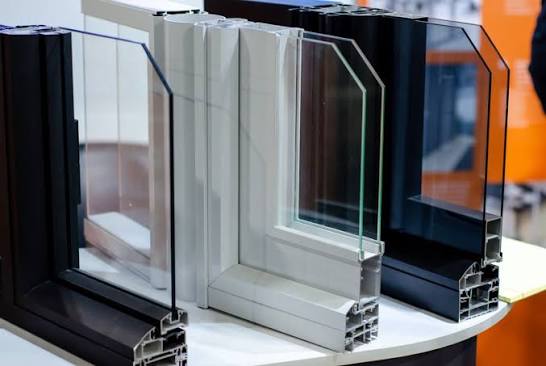
- Glass thickness and construction – double glazing with panes of different thicknesses, sometimes with a gap of specific width between them, disrupts sound waves more effectively than two identical panes.
- The quality of the seal – a window can have excellent glass and still let plenty of noise through if the seal around the frame isn’t tight and properly maintained.
- Frame material and fit – timber frames, when built and installed with real precision, tend to hold their seal well over time, whereas poorly fitted frames of any material can develop small gaps that let sound leak through.
- How well the window was installed in the first place – even the best window on paper won’t perform if it hasn’t been fitted correctly into the surrounding wall.
This is why two homes with what looks like the same type of window can report very different results when it comes to noise reduction.
Setting Realistic Expectations
It’s worth being upfront here: no window, however good, will make a busy road sound silent. What a well-built, well-fitted casement window can genuinely do is take the edge off, turning a constant, intrusive rumble into background noise you can hold a conversation over or fall asleep without much bother. For most homeowners, that’s a real and meaningful difference, even if it’s not complete silence.
The people who tend to be disappointed are usually those who bought a cheaper, mass-produced window expecting the same result as a properly specified, well-fitted one. The gap between an average job and a good one is often bigger than people expect, particularly with noise, because there’s more happening structurally than most homeowners realise.
Why Timber Windows Perform Well Here
Timber has a natural density that helps dampen sound in a way that thinner, lighter materials sometimes struggle to match. Combine that with a well-designed double glazing setup and quality draught seals, and you get a window that’s doing real work on multiple fronts, not just looking the part.
Well-built timber windows achieve this by pairing solid timber construction with modern glazing and proper insulation, all handled through a single workshop rather than outsourced components pieced together. Reliable multi-point locking systems as standard speak to the same attention to detail that goes into the sound performance. Joiners with decades of experience fitting windows across busy parts of London, including areas along main roads and in dense residential streets, have had plenty of opportunity to see what actually works against real-world noise, not just what performs well in a showroom.
What to Ask Before You Commit
If noise reduction is your main reason for considering new windows, don’t be shy about asking specific questions before you sign anything. Ask what glass specification is being used and why. Ask how the installation team plans to seal around the frame, not just fit the window itself. And ask whether they can point you towards previous jobs in similarly noisy locations, since a company with genuine experience in this area should have examples to share.
A well-informed homeowner tends to end up with a far better result than one who simply picks the cheapest quote and hopes for the best. Noise reduction is one of those areas where the difference between an average installation and a properly specified one is immediately obvious the first time a bus goes past.
The Bottom Line
New windows won’t erase London’s noise entirely, but the right combination of timber, glazing and installation genuinely does quieten a home in a way that’s noticeable within the first week of living with them. Well-specified casement windows, properly sealed and fitted, are a reasonable and often overdue upgrade if your current ones are old or were never built with sound in mind, particularly if you’ve been putting up with the noise for longer than you’d like to admit.
Rooms Where It Makes the Biggest Difference
Not every room benefits equally from noise-reducing windows, and it’s worth thinking about where you’ll notice the change most. Bedrooms facing a busy road tend to see the biggest improvement in day-to-day quality of life, simply because broken sleep from passing traffic has such a knock-on effect on everything else. Home offices and studies come a close second, particularly now that so many people are working from home at least part of the week and need a bit of quiet to concentrate.
Living rooms and kitchens, where background noise from a television or conversation already competes with outside sound, often see a smaller relative improvement, though it’s still noticeable. If budget is a concern and you can’t replace every window at once, prioritising bedrooms and any room used for concentrated work tends to give the best return on the investment.
A Realistic Timeline
Homeowners are sometimes surprised by how quickly a proper installation can be completed once measurements and specifications are agreed. A single window replacement job for a typical London terrace, covering several rooms, can often be finished within a week or two, depending on how many openings are involved and whether any additional structural work is needed around the frames. It’s a shorter disruption than most people expect, especially when weighed against how many years of quieter living follow.