

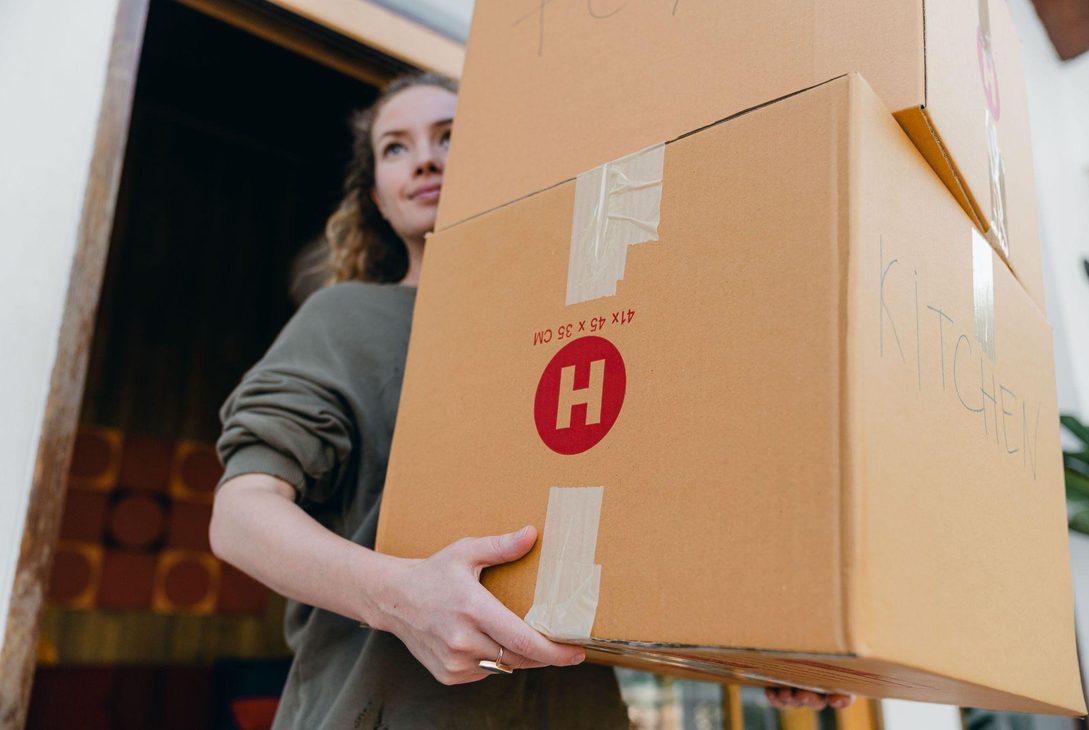
Moving day gets all the attention, but packing is where most moves actually go wrong. The truck shows up on time, the crew works fast, and then someone opens a box at the other end to find a cracked serving dish and no idea which room it belongs in.
Nearly all of it traces back to a handful of decisions made in the two weeks beforehand, none of which felt important at the time.
Here are the ones that cause the most trouble.
Starting later than you meant to
Packing always takes longer than estimated, usually about double. A one-bedroom apartment holds far more than it looks like it does, and the last twenty percent of any home is the part nobody wants to deal with. The junk drawer. The closet shelf. The garage.
Start four weeks out with the things you don’t touch daily. Books, out-of-season clothes, decorations, the good dishes. Two boxes an evening for a month feels completely different from forty boxes in a weekend.
That rushed stretch at the end is also where most breakage happens, because it’s when people stop wrapping things properly and start filling space.
Using whatever boxes happen to be lying around
Supermarket boxes are free, and they’re free for a reason. They’ve been handled, stacked, sometimes stored somewhere damp, and they were never built to carry weight or stack evenly on a truck. The ones that give out usually pick a staircase to do it on.
Uniform boxes in a few standard sizes stack properly, load efficiently, and hold their shape. That matters more than it sounds, because a truck packed with mismatched containers shifts around in transit.
To avoid over-stuffing boxes and risking damage to fragile items, Mayflower suggests sourcing room-specific specialty containers, such as dish packs with foam padding and wardrobe boxes with built-in hanger bars.
Those are worth paying for in the rooms that need them. A dish pack does work that three layers of paper never will, and hanging clothes go straight from one closet to the next without ever being folded.
Putting heavy things in big boxes
This is the most common physical mistake in any move, and it’s a completely natural one to make. Big box, plenty of room, fill it up.
Books, tools, canned goods, and anything dense belong in small boxes. Use large boxes for light, bulky items like bedding, pillows, and lampshades. A large box loaded with books can pass eighty pounds, which is unsafe to lift and very likely to fail at the bottom seam.
A decent rule of thumb is that anyone should be able to pick up any box you’ve packed without changing their grip or their expression.
Skipping the purge
Every move includes a few boxes of things that get carried across town and then never opened again. Paying to transport something you don’t want is the least useful money spent in the whole process.
Sort before you pack, not while you’re packing, since deciding and wrapping at the same time slows both. Keep, donate, sell, discard. Anything unused for two years that isn’t sentimental probably doesn’t need a seat on the truck.
Furniture deserves the same question. Measure the new place first, because a sofa that won’t fit through the doorway is an expensive thing to discover on moving day.
Labeling badly, or not at all
A box marked kitchen tells you almost nothing, because there are twenty of them.
Write the room plus two or three actual contents, and put it on the sides rather than the top, since the top disappears the moment you stack anything on it. Mark fragile boxes on every side and note which way is up.
Colored tape by room is faster than writing and easier for a crew to follow at a glance. Whatever system you use, keep a numbered list of the boxes somewhere. When one goes missing, and occasionally one does, that list is the only thing that helps.
Wrapping fragile items the wrong way
Newspaper is cheap, transfers ink onto everything it touches, and cushions almost nothing. Packing paper costs slightly more and actually does the job.
Plates travel on their edge rather than stacked flat, because a plate standing on edge resists pressure and a flat stack concentrates it. Glasses get wrapped individually. Anything hollow gets filled with paper before it goes in.
The other half of this is space. A box with gaps lets the contents move, and movement is what breaks things. Fill the voids until nothing shifts when you tilt the box.
Forgetting what movers aren’t allowed to take
Professional movers can’t transport hazardous materials, and that list runs longer than most people expect. Propane tanks, paint, aerosols, cleaning chemicals, gasoline, fertilizer, ammunition, and quite often most of the garden shed.
Perishable food is usually excluded too, and plants may be, depending on the distance and the agricultural rules of the states involved.
Ask for the list early. Finding out on the morning of the move means either a last-minute disposal run or leaving things behind on the driveway.
Packing the essentials box last
Pack the box with everything you need for the first night first, and load it last. It almost always happens the other way around.
Medication, chargers, toiletries, a change of clothes, basic tools, bedding, coffee and whatever makes it, toilet paper, and the paperwork connected to the move. Anything that would wreck the evening if it turned up on Thursday instead.
Keep it in the car, not the truck. It’s the one box you genuinely can’t afford to have arrive on a later delivery.
The boring part decides the rest
None of these mistakes are complicated, which is exactly why they’re so common. They come from treating packing as the dull chore before the real event.
Start earlier than feels necessary, use proper boxes, keep the heavy things small, label so the labels are useful, and set aside the box you’ll need before anything else gets opened.
Everything else about the move gets easier from there.